Safe Student Rental in Tri-City 2026/2027
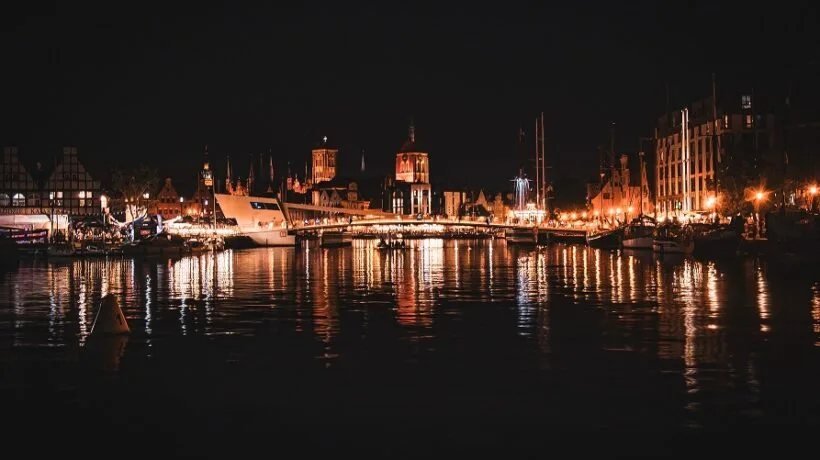
July 2026. The rental market in Gdańsk, Gdynia and Sopot is experiencing the greatest burden. As a student starting the academic year, you have to compete not only with other students, but also with tourists who still occupy premises in the coastal strip. Rental security in the Tri-City is based on three pillars: legal verification of the contract, thorough inspection of the technical condition of the premises and resistance to online fraud. Don’t sign anything until you’ve gone through the verification path below.
Occasional rental – legal pitfalls that you cannot skip
Most apartment owners in the Tri-City – from apartment buildings in Gdańsk-Przymorze to tenement houses in Wrzeszcz – require signing an occasional lease agreement. This legal tool protects the owner, but it imposes specific obligations on you.
Why is a notary necessary?
Occasional leases are only valid if they are notarized. It requires you to submit a declaration of submission to enforcement and indicate a replacement address to which you could move in the event of a possible eviction.
- Notarial costs: They usually range from 300 to 500 PLN. Agree with the owner before signing the contract who will cover this cost. In the market standard, it is often divided in half.
- Replacement address: If you do not have family in the Tri-City, you must indicate a place where you could actually live. The owner of this premises must submit a notarial statement of consent to accept you in the event of enforcement. In 2026, commercial services that offer surrogate addresses are popular, but always verify that the company owns ownership of the property it indicates.
What to avoid in the contract?
Do not agree to provisions that transfer to you the costs of repairing defects resulting from normal wear and tear (e.g. old electrical installation in tenement houses on Grunwaldzka Avenue). The agreement should clearly define that the owner is responsible for infrastructure failures (plumbing, electrical, heating), and the tenant is responsible for minor damage.
Technical verification of the premises: Checklist before signing
Photos in ads on portals such as Otodom or OLX often deviate from reality. Before you hand over the deposit, conduct a technical audit.
Installation and heating audit
- Type of heating: This is a key point in the Tri-City. Apartments in old tenement houses in Wrzeszcz or Gdynia-Grabówka are sometimes heated with electricity (electric heaters). In January and February, bills may exceed PLN 1000 per month. Ask about heating bills from the previous winter season.
- Humidity: Gdansk is a city with high humidity. Take a look at the corners of the walls, the ceiling by the windows and the interiors of the built-in wardrobes. Traces of fungus or a characteristic musty smell are a signal to give up the offer.
- Windows: Check for leaks. Leaky windows in apartments close to the main artery (e.g. Grunwaldzka Avenue) mean not only heat loss, but above all traffic noise that makes it difficult to learn.
Handover protocol
This is the document that protects your deposit. It must include:
- Meter readings (electricity, water, gas) on the day of handing over the keys.
- List of all defects (cracked tiles, scratch on panels, malfunctioning blind).
- Photographic documentation (take photos of each room on the day of introduction and email them to the owner as proof of initial condition).
Financial security: How to avoid fraud?
The rental market in 2026 is still struggling with fraud attempts. Scam schemes are constant, but still effective against students looking for a quick apartment.
The most common warning signs
- “Owner abroad”: If the landlord claims to be abroad, they will send the keys by courier after paying the advance payment – stop contact immediately. This is a classic scam scheme.
- Advance payment before viewing: Never pay money (even $100) for “booking a room” without viewing it live or videoconferencing with the landlord inside the venue.
- Price too good for a given location: If an apartment in the coastal strip (Jelitkowo, Brzeźno) or in the center of Sopot costs as much as a room in the depths of a residential area, there must be something wrong with it.
Deposit – recovering money
The deposit should be paid by bank transfer (entry in the title: “Deposit for the premises at X Street, refundable in accordance with the agreement”). Never pay cash to hand without confirmation in writing.
Location and student logistics – what do you need to check?
In the Tri-City, the time of commuting to the university is determined by the availability of SKM (Fast Urban Railway) or PKM (Pomeranian Metropolitan Railway).
- Districts near SKM: If you live in districts such as Gdańsk Oliwa, Żabianka or Gdynia Grabówek, you are guaranteed fast transport. Be careful with apartments in districts where it takes more than 15 minutes on foot to get to the nearest SKM stop or requires changing to a bus that is stuck in traffic jams (e.g. the vicinity of Jaseń or the upper parts of Gdańsk districts).
- Access to infrastructure: Check if you have a store (Biedronka, Lidl, Dino) and a parcel locker within a 5-10-minute walk. In the Tri-City, especially outside the tourist season, access to services determines the quality of student life.
Before you decide on a specific apartment, tick off these points:
- Viewed the venue live (or through credible video).
- The condition of the installation (electricity, water, heating) was checked.
- Verification of the legal form (whether it is an occasional or ordinary lease).
- Determination of additional costs (administrative rent + utilities, not just the base price).
- Signing of the handover protocol with a photo attachment.
Frequently asked questions before renting
What if the landlord refuses to rent occasionally?
This means that he wants to sign a regular lease agreement. As a tenant, you are then better protected by law (it is more difficult to evict you), but landlords in the Tri-City rarely agree to this. Make sure the agreement is clear and fair.
Do I have to be registered in the Tri-City?
No, renting an apartment does not require registration. However, it is worth knowing that as a student living in Gdańsk or Gdynia, you can use a resident’s card, which offers discounts on transport or culture – check if the rental allows you to obtain a certificate from the owner.
How much should the deposit be?
The standard is the equivalent of one or two months’ rent. Please note that the deposit must be returned within 30 days of the end of the contract.
How to check if the owner of the apartment is reliable?
Always ask to see the property title deed (land and mortgage register). You have the right to check whether the person with whom you are signing the contract is the owner of the premises.
Should utilities be included in the rent?
It is safest to settle according to meters (electricity, water, gas). Agree with the owner that you send meter readings every month so that there are no underpayments at the end of the year.
Contractual provisions that protect your money
Signing an occasional lease agreement is only half the battle. True financial security depends on the detailed records inside the document. Many disputes between Tri-City students and property owners result from a lack of precision in the matter of repairs and the rules for terminating the contract.
Appendix No. 1: Equipment of the premises
Never sign a contract without a physical attachment that contains a detailed inventory of the apartment’s furnishings. This document cannot be limited to the statement “furnished apartment”. It must include:
Brand and model of household appliances: (refrigerator, washing machine, oven).
Condition of the furniture: (e.g. “sofa with abrasion on the backrest”, “table with a cavity in the countertop”).
Device verification: Before signing the protocol, run each hardware. Turn on the washing machine for a short program, check if the gas burners or induction hob are working, make sure that the water in the taps has the right pressure. Any non-working function must be entered into the protocol, otherwise when you move out, the owner may charge you for the cost of replacing the equipment.
Repair and maintenance policy
The contract should include a provision specifying who bears the costs of repairs. According to the Act, minor expenditures related to normal operation (e.g. replacement of a light bulb, gaskets in the tap) belong to the tenant. Everything above this amount (e.g. boiler failure in old tenement houses, leakage from the wall installation, washing machine repair) should be on the owner’s side.
Safe Mode: Negotiate a provision specifying the owner’s reaction time to a failure that prevents the use of the premises (e.g. lack of heating in winter, failure of the water system). The owner should be obliged to remove the defect within 24-48 hours, otherwise you have the right to have it repaired at his expense.
Utility billing: How to avoid subsidies when moving out?
In the Tri-City, media settlements are the source of the most common financial conflicts. Owners often use the so-called “lump sum”, which turns out to be underestimated at the end of the academic year.
Reading meters is your duty
Regardless of the owner’s assurances about a “fixed fee”, keep your own record of utility consumption.
Meter Photos: On the day of introduction (when signing the protocol), take a clear photo of the electricity, gas meter and water meter reading (hot and cold water).
Consumption log: Once a month, on the same day, write down the meter readings and send them to the owner by e-mail. Thanks to this, you have documented consumption and you will not be surprised by a “compensatory” bill amounting to thousands of zlotys after 10 months of rent.
Difference between rental rent and administrative rent
Remember that in the ads the price is often given without “rent to the administration”.
Rent: The amount that the owner earns.
Administrative rent: Payment to the cooperative or community (water, garbage, heating, renovation fund).
Media: Electricity and gas are paid according to real consumption.
The sum of these three elements gives a real monthly cost. Before signing the contract, ask to see the last invoice from the property manager to check what exactly is included in the administrative rent and whether there are any hidden surcharges for the heating season.
Neighbours and administration – social aspects of security
Rental security also means the comfort of living in the building. In the Tri-City, due to the large number of apartments for short-term rental (especially in the coastal strip and in the center of Gdańsk), you need to check in which neighborhood you will live.
Verification of house rules
Ask to see the “House Rules” of the community or cooperative. As a tenant, you are obliged to comply with it under pain of termination by the landlord.
Quiet of the night: In multi-family buildings in Gdańsk or Gdynia, these rules are enforced. If you plan to have a social life, you must be aware of the boundaries that you cannot cross so as not to expose yourself to visits by the Police or the City Guard, which is a direct route to losing your lease.
Rules for waste segregation: In modern apartment buildings (e.g. Garrizon, Gdański Brewery), segregation systems are strictly monitored. For non-compliance with the rules (e.g. throwing construction waste into mixed waste containers), communities impose financial penalties, which the owner will pass on to you.
Relationship with the owner
A safe lease is one in which communication is professional and written.
Email Principle: Send all arrangements (repair requests, defect reports, contract termination) by e-mail. SMS and instant messaging messages can be overlooked or deleted. An e-mail is evidence in disputes.
Right to privacy: The landlord is not allowed to enter the apartment in your absence without your consent, unless there is a breakdown that threatens the safety of the building (e.g. flooding). If the owner has a second set of keys and abuses the right to access, you have grounds to terminate the contract due to his fault. Write in the contract that visits to the premises may take place only with your prior consent and in your presence.
Failure documentation – “Safe mode”
There are situations in which the installation in the apartment fails on Friday evening and the owner does not answer the phone. How to be safe then?
- Photographic/video documentation: Make a recording indicating the source of the failure (e.g. a broken pipe, a short circuit in the socket).
- Notice: Send a message to the landlord about the situation, noting that if you do not receive a response within an hour, you will take the necessary steps to secure the apartment.
- Technical Emergency: In Krakow (and similarly in any major city, if your contract requires it), use certified services. Keep the VAT invoice for the repair – this is the basis for deducting costs from the rent or requesting a refund from the landlord.
Safe renting of an apartment in the Tri-City is a process that begins at the stage of reading the contract and ends with a reliable settlement of the deposit when moving out. The key to avoiding problems is: documentation (photos, emails, protocols), precision (reading repair records) and assertiveness (not signing documents you don’t understand). Do not treat a visit to a notary as an unnecessary expense, but as an insurance that, in the event of a conflict with the landlord, puts you in the position of a partner, not a tenant who has no rights. Start by preparing a list of questions to the owner and checking the technical condition of the apartment before handing over any funds – this is the easiest method to avoid costly mistakes.